

Get InVOLved Innovation Fund
What is it?
Funding and advice to help organisations explore new ways to make volunteering more inclusive, for those that work with:
- Adults who have learning disabilities
- Autistic or neurodivergent adults
- Looked-after children / children leaving care
Projects supported people from these groups who face barriers in engaging in volunteering or become volunteering ready.
Who could apply?
Constituted organisations that have up to date policies and work with the target groups.
Funding rounds have now completed, projects are running until December 2026
What does the fund support?
Projects that:
- work with people (from the groups above) who don’t currently volunteer
- offer activities to help them become ‘volunteering ready’
- create opportunities so they can experience volunteering
- are a new development for the organisation
Awards are for short term projects (up to six months) and can be funded up to £7,500.
Scroll down to view content or use the links below to skip to the relevant topics
Scroll down to view content or use the links below to skip to the relevant topics
Awards were for short term projects (up to six months) and were funded up to £7500. Funding for these projects has been allocated across the below groups and charities for their innovation projects.
Break

Break work with young people in, around and leaving care. Their Innovation project piloted a volunteering programme that addressed the barriers they already knew existed for the young people they work with.
They gathered small groups of four to six young people and set up volunteering placements in familiar settings to many of the participants.
Break provided support to run eight sessions over six months, offering volunteering at Wrongs Covert: Woodland Restoration In Norfolk and Fen Zen - Mother's Fire Circle, Event, Nature Education Groups as well as taking part in fundraising efforts at Break.
Young people undertook heritage land-stewardship skills using traditional coppicing techniques; weaving dead hedging and screens using traditional methods; constructing and maintaining footbridges over becks; digging up clay for flooring; learning species identification and habitat sensitivity; making co-produced conservation-led decisions for long term habitat health.
In the final sessions, participants came together to discuss the barriers and enablers to volunteering as a group, and identified and applied for further volunteering through Get InVOLved Norfolk
Break’s Opportunities Team Leader told us: ‘We began the volunteering as a way of getting opportunities for free and making money go a bit further, but it has had a much greater impact than we anticipated.
Let me explain: We took a bunch of young people to the zoo for a day. They had fun and said it was OK.
But when we took the same group to volunteer, painting the wood around the penguin enclosure and doing some weeding, they said it was the best thing they’d ever done in their lives.
With young people in care, people are always thinking about what we can do for them, when in fact they are learning the skills to support others.
Participants told us:
- “I became more aware of how to communicate my needs, respect other people’s boundaries, and adapt when plans needed to change.”
- “The co-design process worked really well.”
- “There was a strong feeling of shared ownership.”
- “People make friends through helping each other – long term friends.”
Nansa
Images from the project
Nansa has been working with people with special educational needs since 1954. Their innovation project developed a Visible Volunteering Project, so that young people could undertake a volunteering training programme at an appropriate pace and environment to their needs, and then present what had been learnt at the Visible Volunteering Neuro Diversity festival, where they were linked to partner organisations and NANSA’s own DRAGONS project. Lots of work happened around advocating for needs and adjustments, and templates were developed for volunteer applications and advocacy.
These are tools we hope to share with the sector on the Volunteering for Health Legacy
NANSA told us a little about the process of receiving funding: We really appreciated the panel’s thoughtful comments. The recognition of the timeframe and our approach affirms exactly what we’re trying to build: a supportive, enjoyable, and realistic journey into volunteering.
Opening Doors
Images from the project
Opening Doors is a user-led organisation run by and for adults with learning disabilities. They design and deliver training and provide high quality translations for local and national organisations. They work with people who have learning disabilities, multiple disabilities and autism, and support adults with learning disabilities to run groups where people learn new skills.
This project was about asking participants with Learning Disabilities what the barriers were for them in volunteering and what worked well for them.
Participants then volunteered by developing accessible shareable templates for people with Learning Disabilities to get volunteering across multiple organisations and worked on two short films to support that work. These are tools we hope to share with the sector on the Volunteering for Health Legacy Resources page.
Opening Doors also developed three new volunteering roles within the organisation, including in governance.
Opening Doors told us a bit about what they were doing at the beginning of their project to increase volunteering amongst those with Learning Disabilities:
We have held one day where we worked hard on governance volunteering – what it means, what the barriers are (for people with learning disabilities) and what the fears are (for peers without learning disabilities about working alongside self-advocates).
We are now planning day two where we will focus on volunteering more generally, what the barriers are (for people with learning disabilities) and how to overcome them and then hopefully (time-permitting) moving onto recording, reporting and rewarding volunteering.
From that we have been gathering the ‘what would help’ and look at what resources we can share as editable templates which then hopefully through your Get Volunteering networks can be shared widely for people to use.
We won’t be able to do them all so will have to choose at some point after the main days have been done – the ideas on the list so far are:
- Easy read expenses claim form for volunteers
- Easy read fillable handbook
- ‘My volunteering story’ template to enable people to share their positive experiences of volunteering
- What’s ok – and what’s not - card game to help people identify good and bad support/practice in volunteering
Fen Zen
Images from the project
Fen Zen is eight acres of beautiful wild meadows in Denver, near Downham Market. This innovations project offered supported-volunteering for neuro divergent women. The brief was to build a changing block and toilets for the community gatherings and home education groups that are sited here. Volunteers planned and built the building together, learning carpentry skills at their own pace and supporting each other throughout the project. Fen Zen also provided person centred support, carpentry expertise, a cooked meal and hot drinks throughout the winter’s volunteering. Some participants are continuing to volunteer here, on other projects that require community support.
"I love that there is always something to do here, like, even if everyone else is chatting, you let me crack on with something to keep busy"
"I've had a fantastic day! Really great to get stuck in!"
"I've never seen anything like this before, I want to tell all my ND mates"
Fen Zen’s Director, Tabitha Nolan, said:
"I really appreciate the input that [Voluntary Norfolk] is having, I feel like, even from the start, my ideas and project were seen and valued, rather than just being lost in a pile of applications written by professional bid writers, my words were actually read, my project seen, and really supported from day 1, that means so much to me, and the project. The support and offers of support I have been getting along the way has made a huge difference. I feel like the project is going to be even more successful, because of the support we are receiving. I know that if I'm struggling with any aspect of running the group, help is only an email away"
Current projects

Seagull Theatre
Seagull Theatre
Seagull Theatre works at the heart of their community through dance, drama and other community activities. Accessibility and inclusivity are central.
This Innovation project will develop supported volunteer opportunities with people with Learning Disabilities, who already know and trust Seagull. Supported volunteering will focus on the Theatre’s workshop, bar and box office.


Compass Dance
Compass Dance
Compass Dance is an inclusive dance company delivering accessible dance opportunities for everyone.
Exploring accessible volunteering is a new development for Compass Dance. This project is a research-led pilot to develop volunteer roles and processes to support people with Learning Disabilities or who are neurodivergent into volunteering within inclusive dance.

Norwich City Football Club Sports Foundation
Norwich City Football Club Sports Foundation
NCFC Sports Foundation already deliver inclusive, disability and SEND programmes. This new six-month Volunteer Readiness and Skills Pathway aims to build confidence, experience and core volunteering skills for those with Learning Disabilities. Participants work on teamwork, communication, budgeting, leadership and CV writing, and, for those who are ready, exploring volunteering at the Sports Foundation. Currently some participants are volunteering at The Nest’s cafe and others are shadowing community coaches in sports and peer coaching.

Build Charity
Build Charity
The BUILD Charity is a Norfolk based, independent registered charity providing social, leisure and learning opportunities for anyone, with any disability aged 18 or over in Norfolk.
This Innovation project will offer one-to-one support to a small group of adults with disabilities to address specific barriers and support participants in community volunteering. Volunteering skills sessions will cover areas such as commitment, timekeeping, personal presentation, being an ambassador, role specific skills, self-presentation and self-marketing. The project will involve a community placement of a minimum of 8 hours and support to continue or develop new opportunities.

Cup-O-T: Wellness and Therapy Services
Cup-O-T: Wellness and Therapy Services
Cup-O-T a is a non-profit mental health service based in Wymondham, providing accessible, creative, evidence based mental health support and training to empower communities, young people and families.
They work with young people aged 7-25, and families, who face complex and difficult challenges in their lives. They focus on the physical, mental and emotional wellbeing of young people, working with them to make lasting changes to their lives and helping them play a positive role in their communities.
This Innovation project will develop a more accessible, person-centred approach to volunteering by creating a shareable Volunteer Accessibility Toolkit for organisations which has been co-produced with people who have lived experience of being neurodivergent, autistic or care experienced.

Extraordinary Communities
Extraordinary Communities
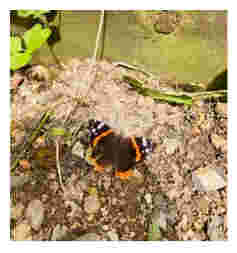
Extraordinary Communities works alongside the UEA, Broads Authority, Norfolk Wildlife Trust and the John Muir Trust on a number of this project’s aims but required support and funding for their involvement of volunteers from neuro divergent families.
Much of their families work is funded and supported through Active Norfolk and Norfolk Children’s Services.
Grow Happy is a 6 month project to capacity-build volunteers as part of a county-wide project that inspires residents to take part in growing pollinator and butterfly friendly flowers, and to restore a butterfly meadow at the UEA, to help restore biodiversity levels.
This project runs a series of workshops for volunteers:
- Creation of art trails so volunteers can support sharing learning about pollinator friendly planting with community
- Planting
- Installation of Art Trails in Butterfly Meadow Walkway
- Big Butterfly Count
- John Muir Award certificates for participants
Support towards volunteering opportunities within Extraordinary Communities and more widely within conservation charities

Headway Suffolk
Headway Suffolk
Headway Suffolk work with rehab teams, social care partners, local colleges and employment services. This project works across Norfolk and Suffolk locations.
Pathways to Volunteering is a structured programme combining practical workshops, personalised coaching, and supported placements.
Initial sessions focus on building confidence, understanding personal strengths, and exploring different types of voluntary roles.
Training modules cover teamwork, time management, communication, and safeguarding.
Sessions are interactive, flexible, and adapted to each participant’s learning style, ensuring accessibility.
Participants will be matched with local volunteer opportunities such as community centres, charity shops, environmental projects, and social care.
A dedicated mentor – from the pool of existing Headway Suffolk volunteers and external volunteers - will provide ongoing support, helping volunteers settle in, navigate challenges, and celebrate their achievements.
Resources and Reports
The Community Voices research project: Attitudes to volunteering of care-experienced young people aged 25-26
The Community Voices research project: Attitudes to volunteering of care-experienced young people aged 25-26
Community Voices research programmes are Norfolk & Waveney Integrated Care Board (ICB) led projects that work with trusted communicators to speak with communities to hear and better understand what is important to them, around specific health related issues.
Having found it difficult to find any research on volunteering and those with care experience, Voluntary Norfolk and the then Norfolk & Waveney ICB commissioned some research into attitudes to volunteering, with care-experienced young people, professionals and carers. The conversations were gathered and summarised in the following report.
The report outlines both positive and negative views towards volunteering, as well as the barriers and enablers.
Barriers identified included practical challenges such as transport, admin and finance to get to a placement; anxiety and lack of confidence; the impact of trauma and the care-experience, and a lack of relationship with the hosting organisation.
Many of the enablers were centred on trust and familiarity – with volunteer settings, host organisations, supporting organisations and peer volunteers. A good understanding of trauma-informed practice from supporting and host organisations was important to potential volunteers, as were the provision of clear benefits of volunteers role and potential pathways from volunteering to employment.
The reports can be found via the hyperlinks below or by the pink buttons. Click on the text to open the report.
Community Voices Report: Attitudes to Volunteering of Care-Experienced Young People 2026
Enablers and Barriers to Volunteering with Neurodivergence and Care Experience Report 2026
Key Recommendations: How to make volunteering inclusive 2026
Podcasts

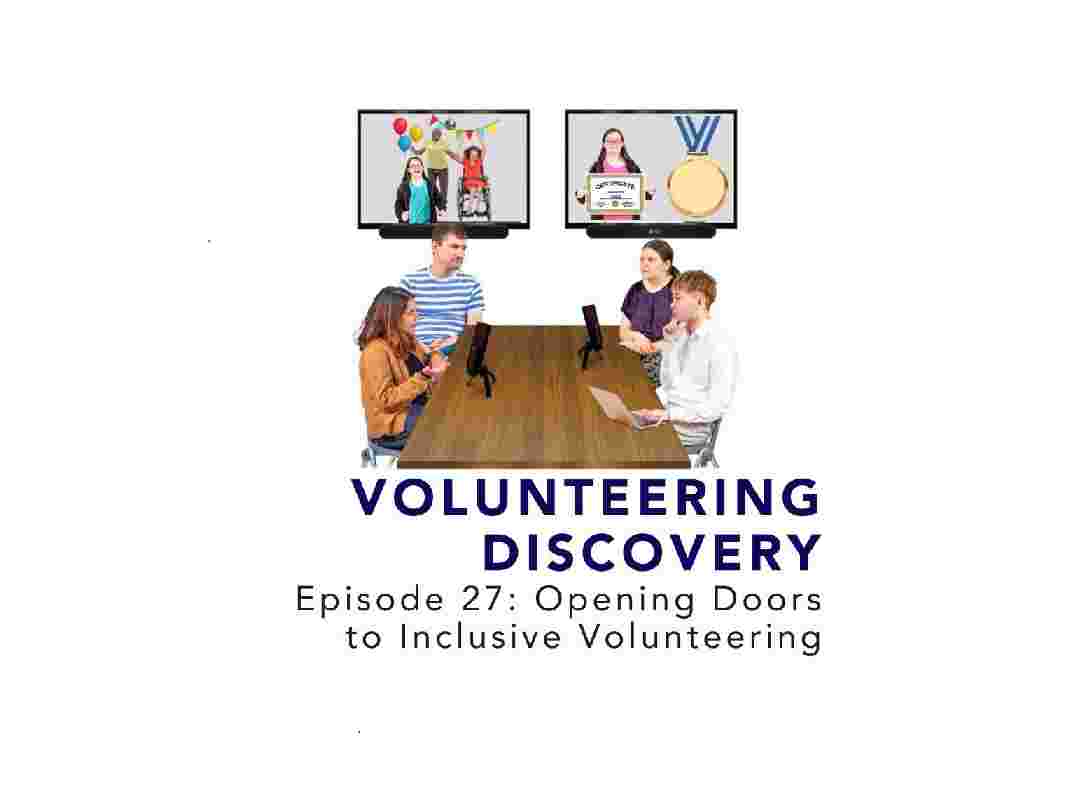
Opening Doors to Inclusive Volunteering
The Opening Doors Get Volunteering project, funded through the Get Involved Innovation Fund, shows how co‑produced, easy‑read resources can remove barriers and improve access to volunteering for people with learning disabilities. In this episode, we hear how Opening Doors created practical tools and training that will support more inclusive, confident and supported volunteering across Norfolk and Waveney.
For more information about Opening Doors click here


Volunteering Discovery Podcast - Get Involved Innovation Fund
Find out more about the Innovation Fund on this episode of the Volunteering Discovery podcast.
Cata Parrish from Voluntary Norfolk talks about what the fund is and what to expect from the application process. And Rik Martin from Community Action Norfolk details what support organisations can expect.

Volunteering for Health Blog: How Outdoor Volunteering Helps People Thrive
We were delighted that two of our Innovations projects offered volunteering opportunities that took people outside.
We instinctively know that nature and the outside environment play a vital role in protecting our health: Some of us were lucky enough to feel the impact of outside during covid lockdowns and knew others who weren’t so fortunate. The science agrees – spending time outside in natural environments decreases the risk for mental health conditions, cardiovascular disease and type 2 diabetes, and shows evidence of improving cognitive function.
To continue reading click the button below and scroll to Blogs